Irish families sought for Glyphosate exposure study
July 25th, 2019
NUI Galway is looking for volunteers to take part in the first Irish study to investigate the levels of glyphosate exposure on families.
Researchers will collect and analyse urine samples from 50 non-farm families and 50 farm families for glyphosate.
Each family – two parents and one child aged between 6–17 years – will be asked to produce one urine sample each and also complete a questionnaire.
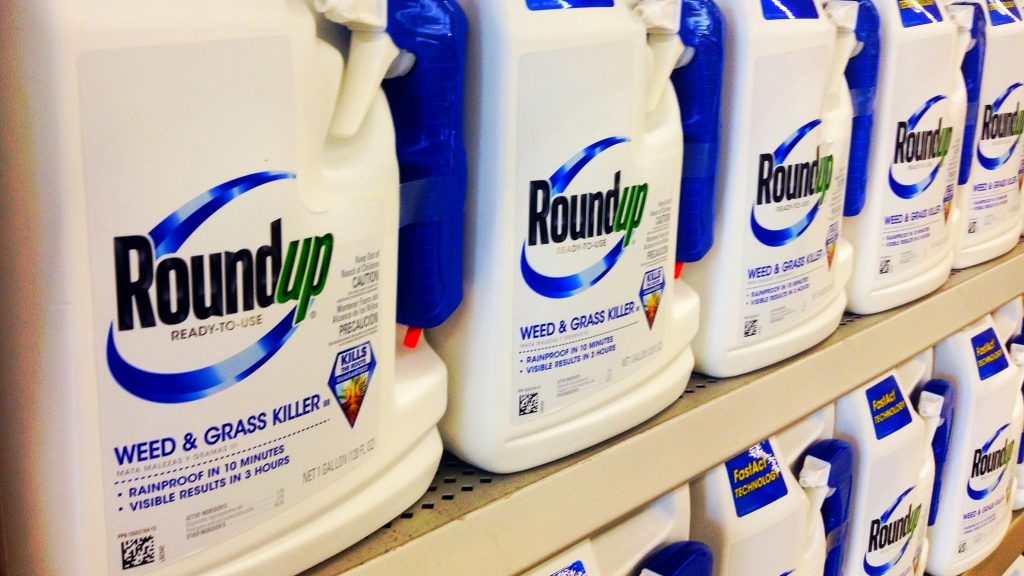
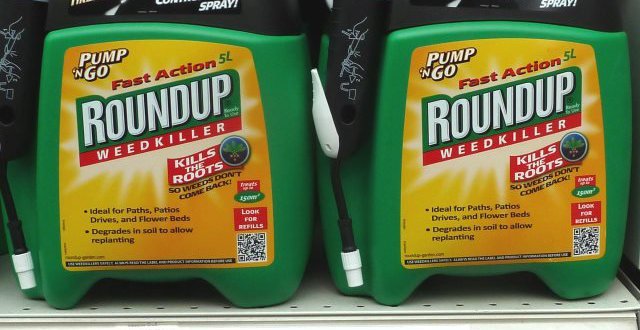
Glyphosate is an active ingredient in over 750 products including Roundup weedkiller which is widely used by Irish farmers and gardeners.
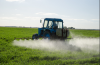
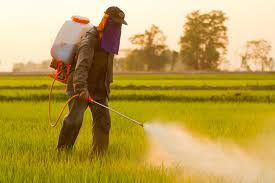
It is the most widely used herbicide globally for weed control in agriculture and horticulture and as a pre-harvest drying treatment on certain food crops. It is also widely sprayed in parks, public spaces, lawns, gardens and roadsides as well as for amateur use by individual households.
A recent NUIG study in Environmental Research found that glyphosate was detectable in the urine of 20 per cent of participants. The study found that dietary exposure through pesticide residues on fruit, vegetables, and grains after spraying is the most common exposure route.
Excess levels of the herbicide glyphosate were recently traced in the public water supply of Newport in Co Mayo. The County Council’s environment section is currently carrying out investigations in the catchment area to determine the source of this excess.
Dr Marie Coggins, the Principal Investigator of the project said that the study will help to improve the level of data available that is currently lacking across Europe.
“Although detectable levels were low, studies such as this one are required to fully understand how chemical exposures affect human health, and to inform policy and manage exposure,” she said.
In 2015 the International Agency for Research on Cancer (IARC), part of the World Health Organization (WHO), declared that glyphosate was ‘probably carcinogenic’ to humans.
However, the European Chemicals Agency (ECHA) has also said that there wasn’t enough scientific evidence to prove that glyphosate causes cancer.
In another study conducted by MIT researcher Stephanie Seneff and Scientist Anthony Samsel, glyphosate was shown to be a causal factor in celiac disease and gluten intolerance.
It maintains that celiac disease patients are at higher risk of non-Hodgkin lymphoma and reproductive issues which are also caused by exposure to glyphosate.
Monsanto, the manufacturer of Roundup that recently merged with Bayer, is facing upwards of 13,000 lawsuits in the USA from people who allege that they developed cancer following repeated exposure to glyphosate in Roundup.
In a recent lawsuit, a school groundskeeper received $78.5 million in damages after a court deemed that his terminal cancer was probably caused by glyphosate in the Roundup weedkiller he used on a daily basis.
[x_author title=”About the Author”]
Results of urine tests taken from 48 Members of the European Parliament reveal traces of glyphosate, a well known herbicide. Read more
Yesterday, EU deputies failed, for the third time, to reach an agreement on whether or not to renew glyphosate, leaving Read more
May 12th, 2017 A European Citizen’s Initiative (ECI) calling on the European Commission to ban the use of Glyphosate has Read more
4th July 2017 A petition signed by 1.3 million people across Europe was delivered to the European Commission (EC) yesterday calling Read more