The rising cost of electricity in Ireland
November 8th, 2017
A recent report from Eurostat shows that Irish citizens face the fourth highest charge on their electricity bills across Europe.
After excluding the relevant taxes, we rise to second place, with electricity bills are set to soar to new heights with the winter season now firmly upon us.
Below, The Green News breaks down the costs of electricity bills and some of Ireland’s electricity sources.
Factors making up our electricity bill
Electricity costs in Ireland are made up of wholesale generation costs, network costs for transmission and distribution, retail charges, policy costs and taxes.
Wholesale and network cost together make up almost two-thirds of our average domestic electricity bill at 30 per cent and 31 per cent respectively.
Network costs have a large role to play in contributing to our nation’s high electricity bills as Ireland’s dispersed population results in higher costs for customers.
Ireland’s heavy investment in its network infrastructures over the last decade to build resilience and facilitate distributed generation of networks has also bumped up network costs.
The policy cost of the Public Service Obligation (PSO) levy is also a key factor for our final electricity bill, making up seven per cent of total costs.
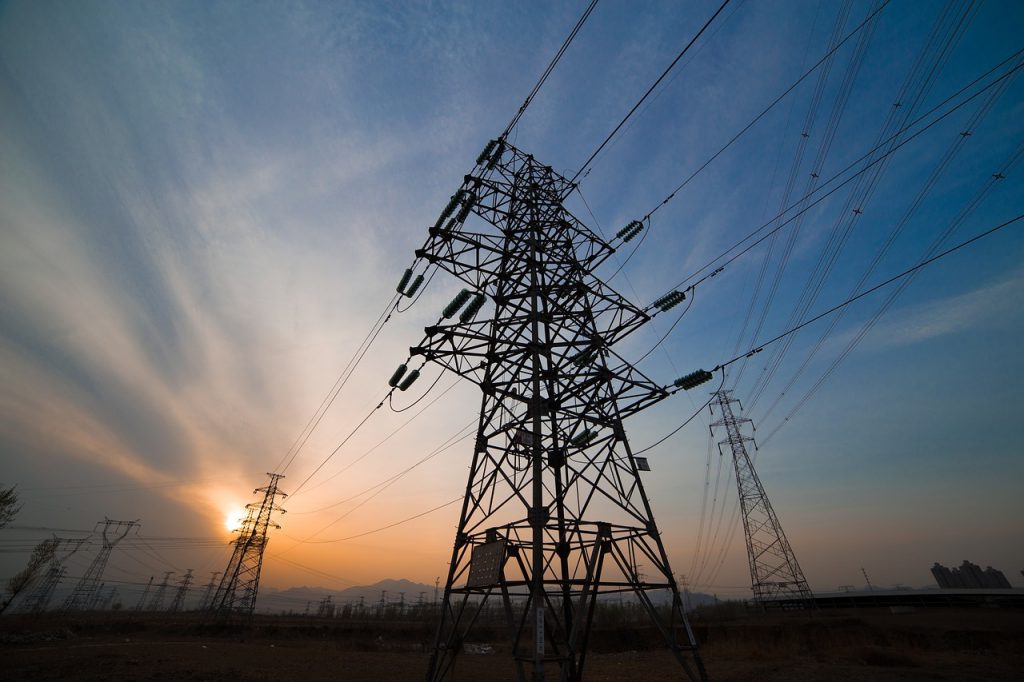
Electric Power Lines Photo: Pixabay
In place since 2001, the levy is charged to all electricity customers in order to subsidise the likes of peat generation and renewable energy sources such as wind.
The levy is set at just under €472 million for the 2017/18 period, up 20 per cent from the €392.4 million outlay in the 2016/17 levy.
The Commission for Energy Regulation state that this increase is mainly due to a significant growth in the level of renewable generation expected over the next year.
From a customer’s perspective, this means a monthly charge of €7.69 and €26.55 for domestic and small commercial customers respectively. Each household now pays €1.79 per month more on their electricity bill than in the 2016/17 period.
According to the Department of Climate Action (DCCAE), the levy is “vital” to enable Ireland to meet its 40 per cent target for electricity generated from renewable sources by 2020.
There are currently significant efforts are being taken so as to manage the levels of variable wind penetration oinour electrical systems.
Ireland’s costs for these efforts are higher compared to the more interconnected European markets due to the isolated nature of electrical system on our island nation.
Electrical energy source
There are various energy sources that contribute to the generation of electricity in Ireland. At present, electricity prices are closely connected to the price of gas, one of the main fuels used for electricity in Ireland.
The price of gas in the Irish market is affected by the cost of the imported gas as we are at the end of a lengthy network leading to higher gas transmission costs than most other member states.
According to the Electrical Association of Ireland, 60 per cent of Ireland’s gas needs come from local resources at Corrib, with the rest imported from Europe.
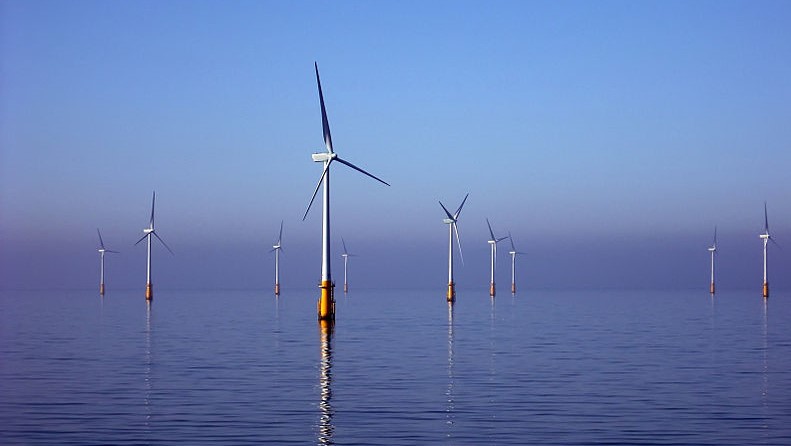
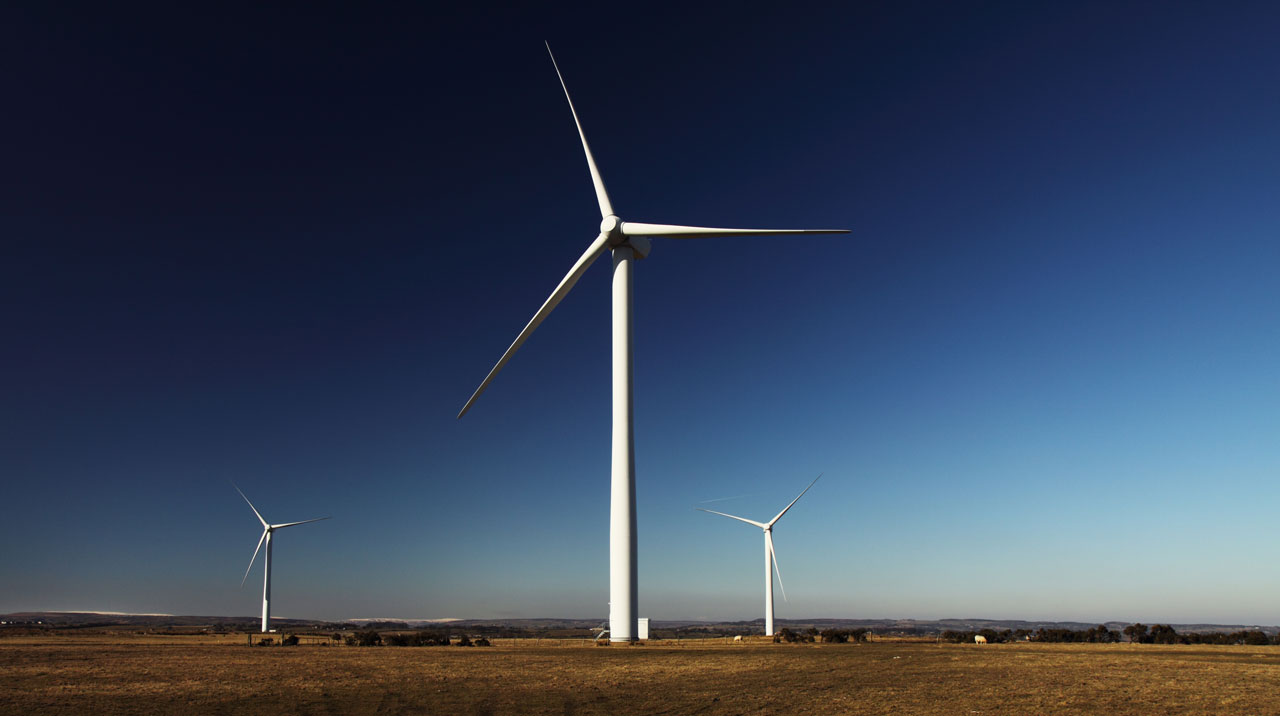
Ireland use of renewable energy sources is continuing to climb, accounting for around 25 per cent of Ireland’s electricity generation in 2016. The majority of this comes from wind, with a current installed capacity of 3.2 GW.
[x_author title=”About the Author”]

In the final analysis of the environmental protection and climate mitigation policies to which political parties commit in their manifestos, Read more
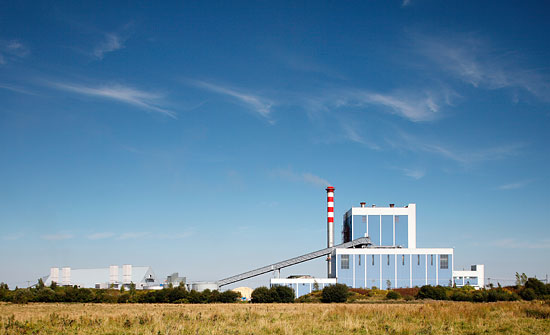
The heritage organisation has dismissed the campaign as 'empty PR', while the semi-state company continues to extract peat on an Read more
October 19th 2016 The burning of 1.2 million tons of peat a year should have been included in the environmental Read more
[cs_content][cs_section parallax="false" style="margin: 0px;padding: 45px 0px;"][cs_row inner_container="true" marginless_columns="false" style="margin: 0px auto;padding: 0px;"][cs_column fade="false" fade_animation="in" fade_animation_offset="45px" fade_duration="750" type="1/1" style="padding: 0px;"][cs_text class="cs-ta-right"]9th Read more